6. The Challenge of the Deming Prize
1949-
(2) The Struggle Leading Up to the Examination
- 1960
- The challenge of pursuing the Deming Prize began in 1960 by seeking guidance from outside experts. The first step was QC (Quality Control) education. However, for the managers who had accumulated on-site experience in our unique way, this endeavor was nothing short of a grueling trial.
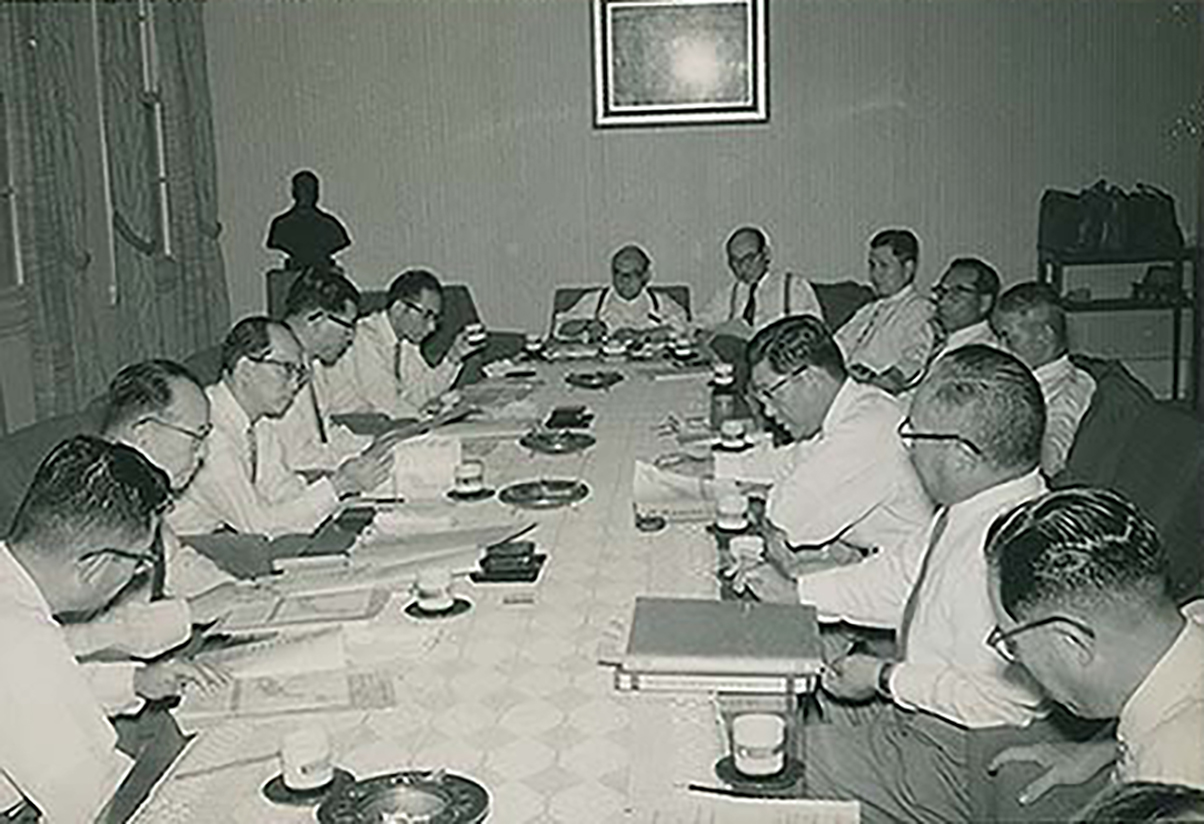
Since our company's early days, we had positioned “quality control” as a key management priority.
In 1950, the year after our establishment, we introduced QC and began researching statistical methods such as control chart techniques and sampling inspection methods. Since then, we have steadily aimed to improve our level of quality control. Through our technical partnership with Robert Bosch GmbH, we advanced the standardization of products and operations, deepening our understanding and methods of quality control.
Our challenge for the Deming Prize was, in one aspect, a way to present the results of our accumulated QC activities to the world.
- Deep DiveApproach to the Examination
- In preparation for the Deming Prize examination, President Torao Hayashi had the following perspective: “We will completely eliminate reliance on past experience and intuition. While we fully recognize the benefits of adopting Bosch's technology, we must seek a management approach that aligns with Japan's unique circumstances and our company's specific characteristics. To achieve this, we will leverage the knowledge of experts, receive their guidance, and implement it correctly.”
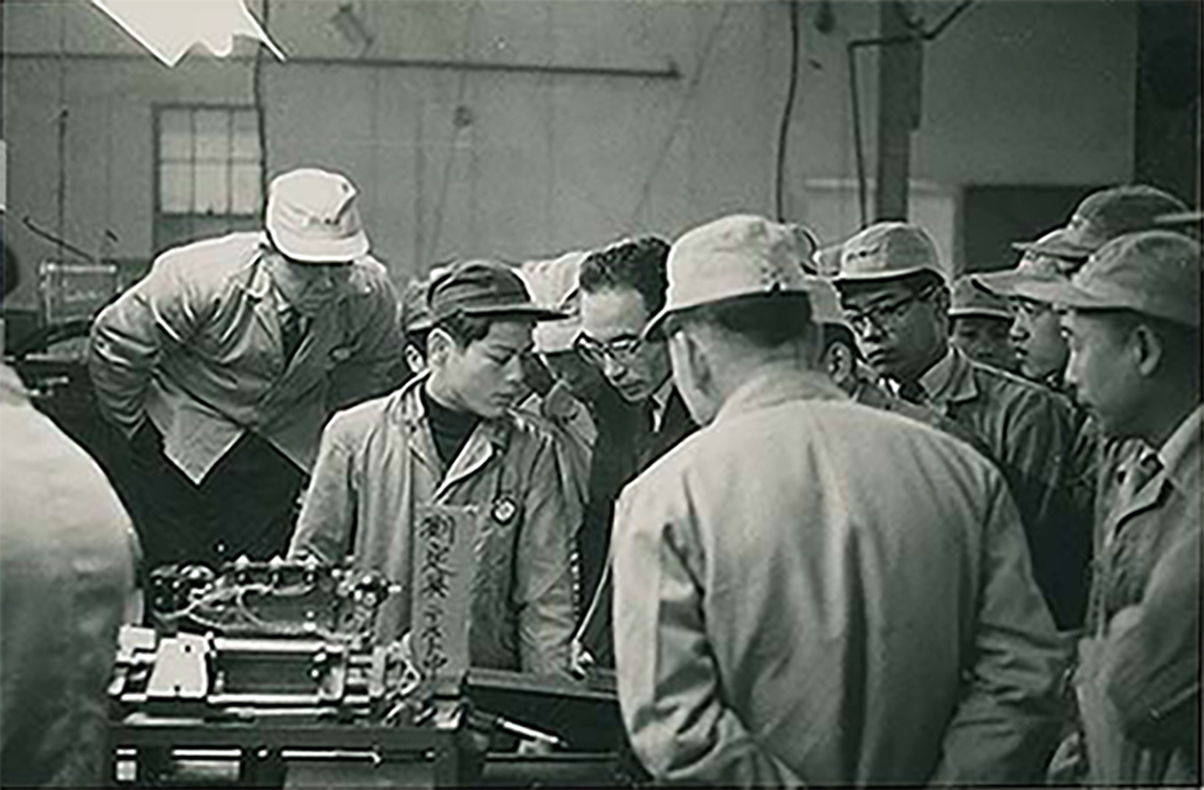
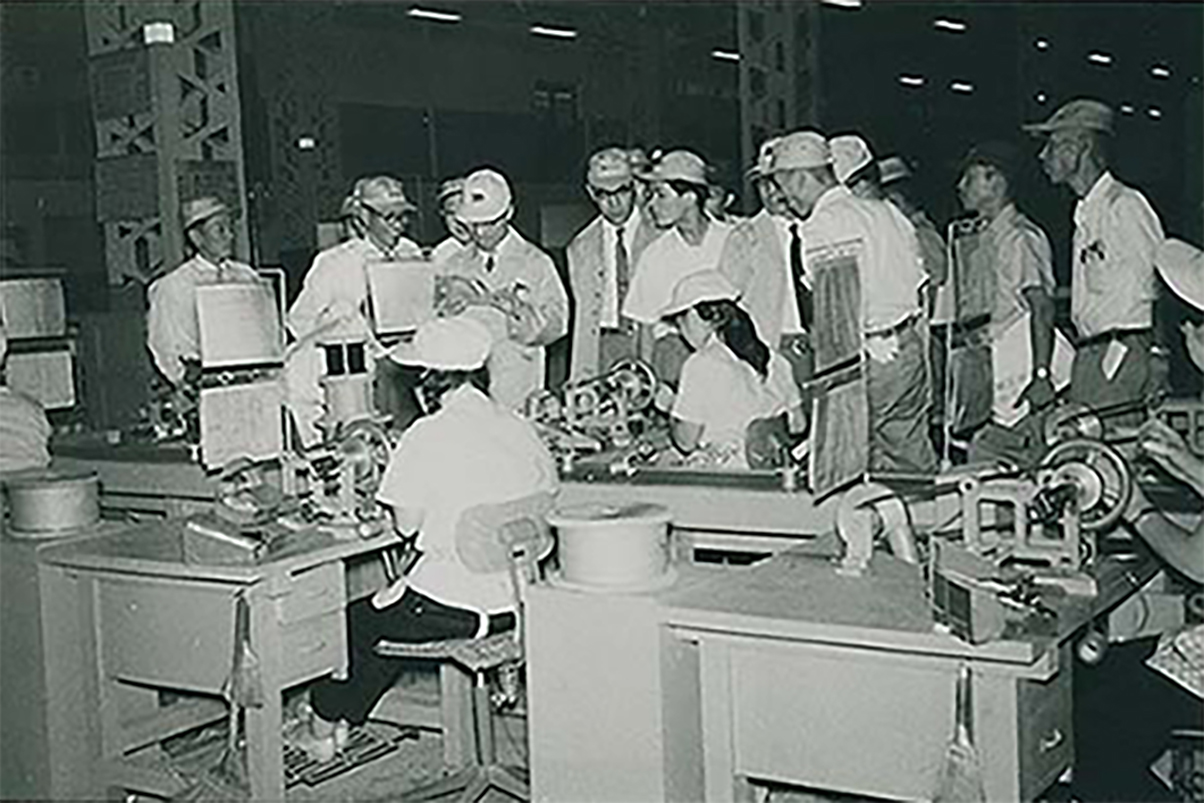
From 1960, we began seeking instruction from university professors and initiated QC education targeting all department heads, section managers, group leaders, and executives of cooperating factories. We conducted practical guidance sessions with invited lecturers once a month, learning about policy management by department and function, as well as process capability studies. In each workplace within the factory, we ensured that every worker thoroughly understood QC principles. We shifted QC education from being promoted by staff departments to direct training by immediate supervisors. To maximize its effectiveness, we first thoroughly instructed managers on what constitutes effective teaching methods.
This education was continued across all departments for approximately two years. We aimed to transition from “work based on experience and intuition” to “work that emphasizes rules and data,” and from “individual work habits” to “organizational work systems.” However, up to that point, the factory managers had accumulated practical experience and ingenuity with a sense of pride. For these managers, this was a continuous series of “grueling trials.”
- Deep DiveCompany-Wide Notice from President Hayashi
- In September 1960, with one year remaining before the examination, President Hayashi issued a comprehensive directive to all departments within the company. The directive emphasized the thorough implementation of three key points: (1) the establishment of management based on rules and data, (2) the integration of QC (Quality Control) and CC (Cost Control), and (3) the organic interrelation of operational policies across departments.
Among these, the most emphasized point was “management based on rules and data.” This approach aimed not only to avoid ad-hoc measures but also to establish clear rules for conducting business, thereby eliminating unnecessary meetings and preventing redundancy or oversight in tasks. It also meant ceasing abstract discussions and instead making decisions based on reliable data. Hayashi believed that achieving this would make management significantly more rational and reduce the number of meetings substantially.