1. Commercialization of Electrical Components
1935-
(1) Initiating Automobile Production
- 1935
- Kiichiro Toyoda, driven by the patriotic spirit inherited from Sakichi Toyoda, embarked on automobile production. In 1935, he completed Toyota's first passenger car and truck. However, the main issue was the quality of the electrical components.
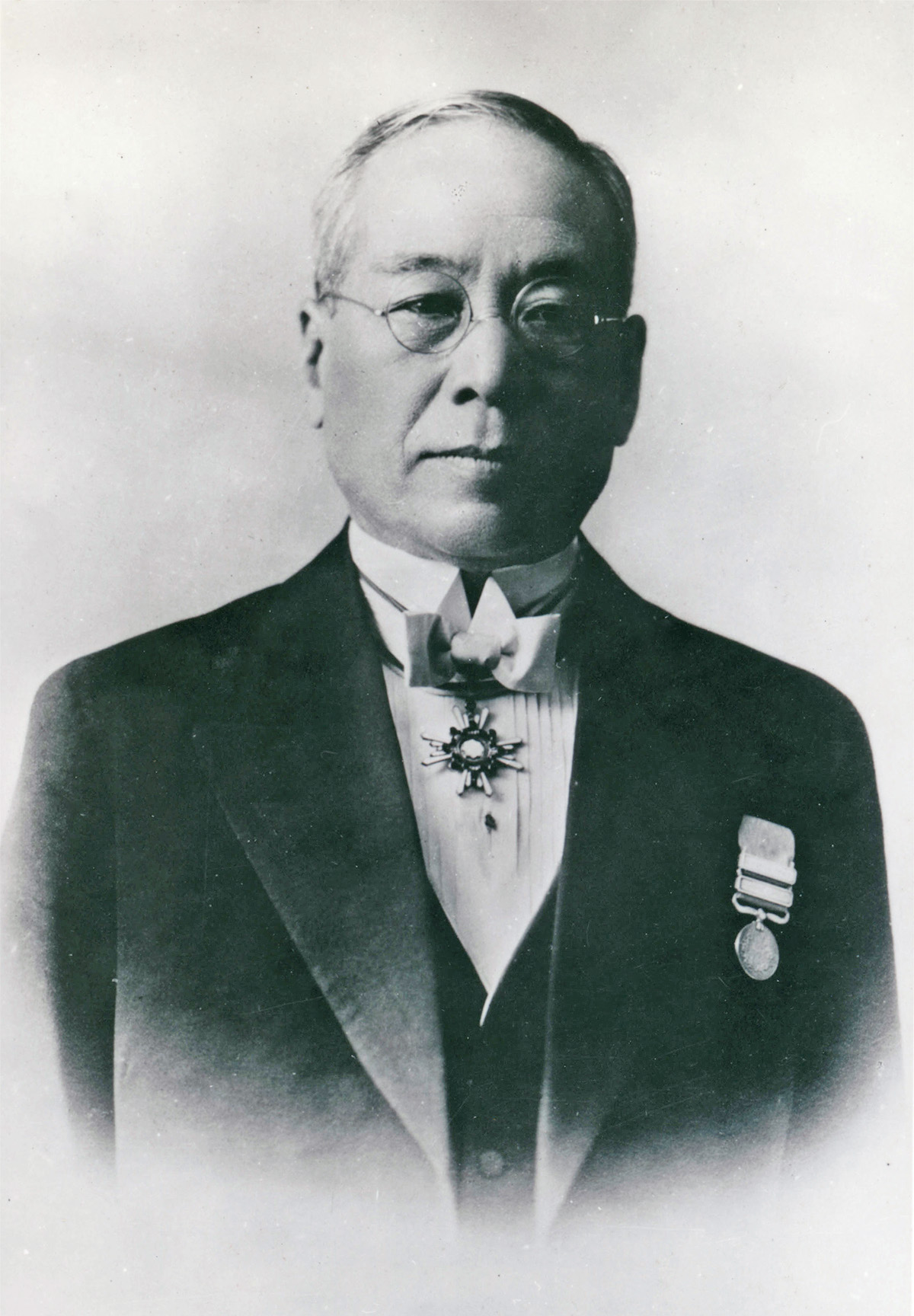
In the present era, DENSO has committed itself to the principles of “green” and “peace of mind” as the core of its business mission, dedicating its full efforts to “contributing to the happiness of people.” While DENSO often speaks of its contributions to society as its raison d'être, one might wonder why it places such emphasis on this aspect. Tracing its roots leads us to the words of Sakichi Toyoda, the founder of Toyoda Automatic Loom Works (now Toyota Industries Corporation), which later became parent of Toyota Motor Co., Ltd (now Toyota Motor Corporation), and ultimately DENSO. Sakichi once said, “I invented the loom and made money with the support of our country, but I also served the country. Kiichiro, you should build automobiles. Build automobiles and serve the country.”
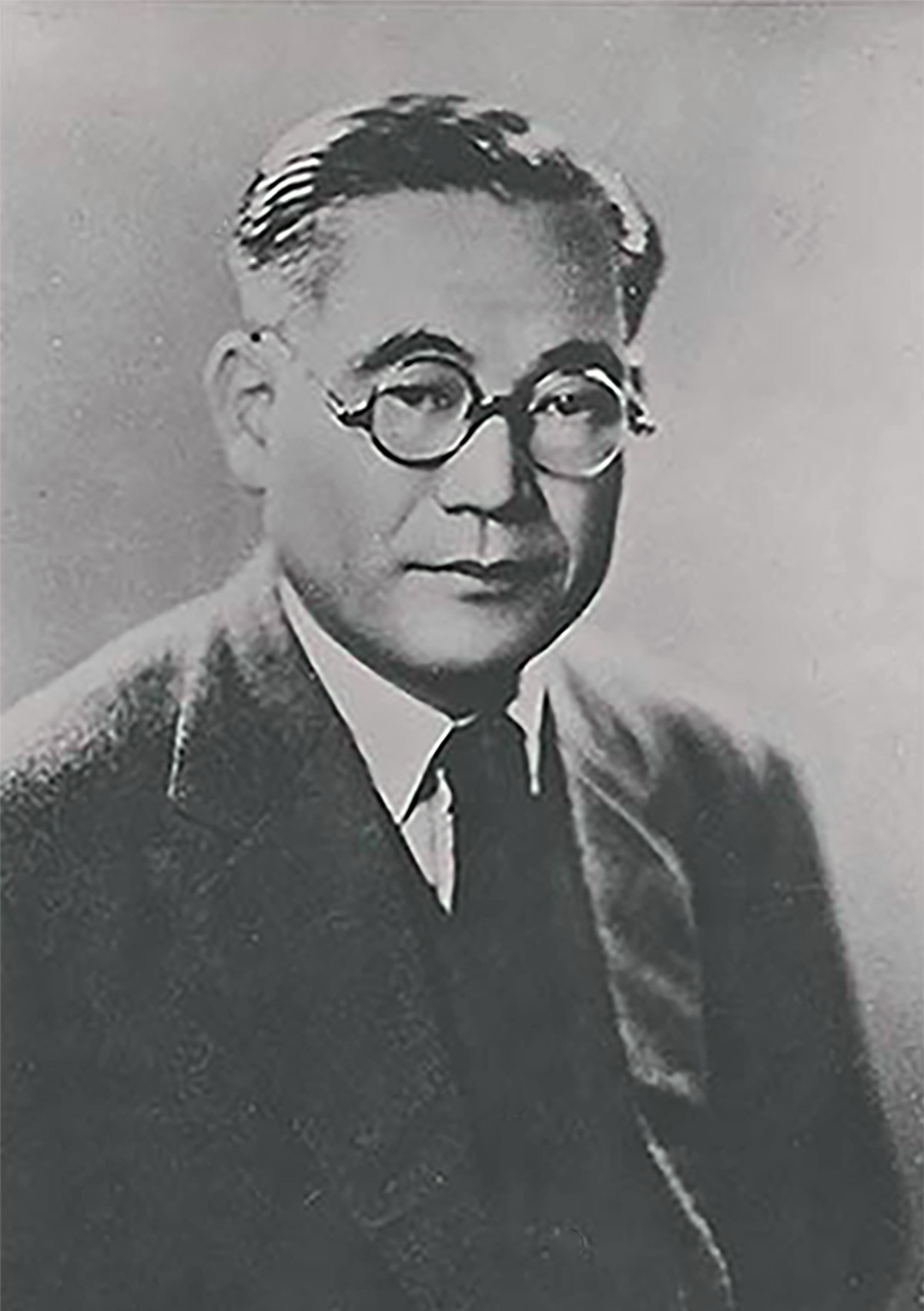
Sakichi entrusted his eldest son, Kiichiro Toyoda, with the task of “automobile manufacturing.” The research and development of automobiles began in a section of the Toyoda Automatic Loom Works. In September 1933, the automobile division was established, and despite numerous challenges, the first Model of the A1 passenger car was completed as early as May 1935, followed by the first G1 Truck in August. The major challenge, however, was the “electrical components.” To expedite the completion of the vehicles, foreign-made electrical components were adopted. This decision was significantly influenced by Kiichiro's philosophy, as reflected in his following words:
“Having confidence in what you manufacture is both a joy and a necessity for a creator. However, no matter how confident you are, you must see if society recognizes and actually uses it satisfactorily before you can truly have confidence. Otherwise, it is not confidence but arrogance. I will use our own products if I have confidence in them and society recognizes and uses them. When we are not confident and society has doubts, we will refrain from using our own products and use foreign ones. In time, when we have truly confident products, we will switch to them.”